A general home inspection covers what an inspector can reach safely, the attic hatch, the basement, the roof edge with binoculars, and the inside of the firebox through an open damper. The chimney gets a look from those vantage points, but the flue itself, the part that carries combustion gases up and out, rarely gets a direct look during that first pass. When an inspector's report flags the chimney, it is often a line recommending a closer look from a chimney specialist, and that distinction matters for a buyer deciding what to ask a seller to address before closing.
What the general inspection catches and what it leaves for a specialist
A home inspector's scope stops where visibility and access stop. A wide crack in the crown might get noted from the roof edge, and a rusted damper might get mentioned if it is visible from inside the firebox. The liner running down the flue, the mortar joints between flue tiles, and the smoke chamber above the firebox stay out of sight from a ladder or a pair of binoculars. A line in the report recommending further evaluation is the inspector marking the point where a camera inside the flue and hands-on testing take over.
A cracked crown on a house from the first wave of growth
Census estimates put a large share of Bridgewater's housing in two building waves, one in the 1950s and 1960s and a second in the 1980s and 1990s. A masonry chimney built in that first wave is carrying a concrete crown that has gone through decades of freeze and thaw, and a hairline crack in that crown is one of the most common findings on a chimney report in this area. Water finds that crack long before a homeowner does, working into the brick below and the flue tiles behind it every winter the crack goes unsealed. Chimney Repair on a crown usually means removing the damaged section and pouring a new crown with proper overhang and a drip edge, rather than patching over a crack that will reopen the following winter.
A liner the inspector could not confirm
New Jersey's residential code calls for a liner in a masonry chimney, sized and installed to match the appliance it serves, and a liner in poor condition, cracked tile, gaps at the joints, or a liner that was never installed to begin with, is not something a flashlight from the firebox can confirm. A camera run down the flue is what shows the liner's actual condition, tile by tile, and that inspection often turns up damage a buyer's report could only guess at from the ground. Where a liner has failed, Chimney Repair covers relining the flue so combustion gases travel through a sound passage instead of finding their way into masonry joints that were never meant to carry them.
A water heater sharing the flue with the furnace
Houses with an older furnace and a gas water heater sometimes vent both appliances into the same masonry flue, a setup that was common when both were installed with standing pilot lights and natural draft. Replacing the furnace with a high-efficiency model that vents through a sidewall pipe can leave the water heater alone in a flue sized for two appliances, and a flue that is oversized for a single smaller appliance can fail to draft properly, which allows combustion gases including carbon monoxide to spill back into the house instead of venting outside. This is one of the findings a chimney evaluation is built to catch, and it is also one of the reasons a working carbon monoxide alarm belongs on every level of a home regardless of what the chimney report says.
A rusted chase cover on a factory-built fireplace
Houses from the second wave, built through the 1980s and 1990s, more often have a factory-built fireplace with a metal chase instead of a masonry chimney. The chase cover, the metal cap sitting on top of the wood-framed chase, is thin sheet metal exposed to the same weather as any roof flashing, and after a few decades it rusts through at the seams and the screw holes first. Water that gets past a rusted chase cover runs down the inside of the chase and can reach the framing around the flue pipe, which is a different repair path than a masonry crown and usually means Chimney Repair focused on the cap and the chase flashing rather than crown work.
What a full chimney evaluation adds before closing
A buyer working from a general inspector's flag benefits from a visit that includes photographs of the crown, the chase cover, the flue liner from a camera run down the flue, and the firebox and smoke chamber, along with an itemized list describing what each photograph shows and what repair it points to. That list, handed to a buyer before closing, turns a vague inspection note into a specific set of items a seller can address or credit, rather than a single line that says the chimney has to be looked at again.
Why a sweep comes first when the flue is dirty
When the flue carries a heavy layer of soot or creosote, the first visit is Chimney Cleaning rather than Chimney Repair, because an inspection camera sees debris and buildup, not the tile surface underneath it. A flue swept down to bare tile lets a camera find hairline cracks, gaps at the joints, and any spot where mortar has fallen away, the same findings that soot alone would hide. For a buyer working against a deadline before closing, the inspection often happens in two steps, a cleaning first, then the camera run and the written list of what the liner shows.
What a visit looks like
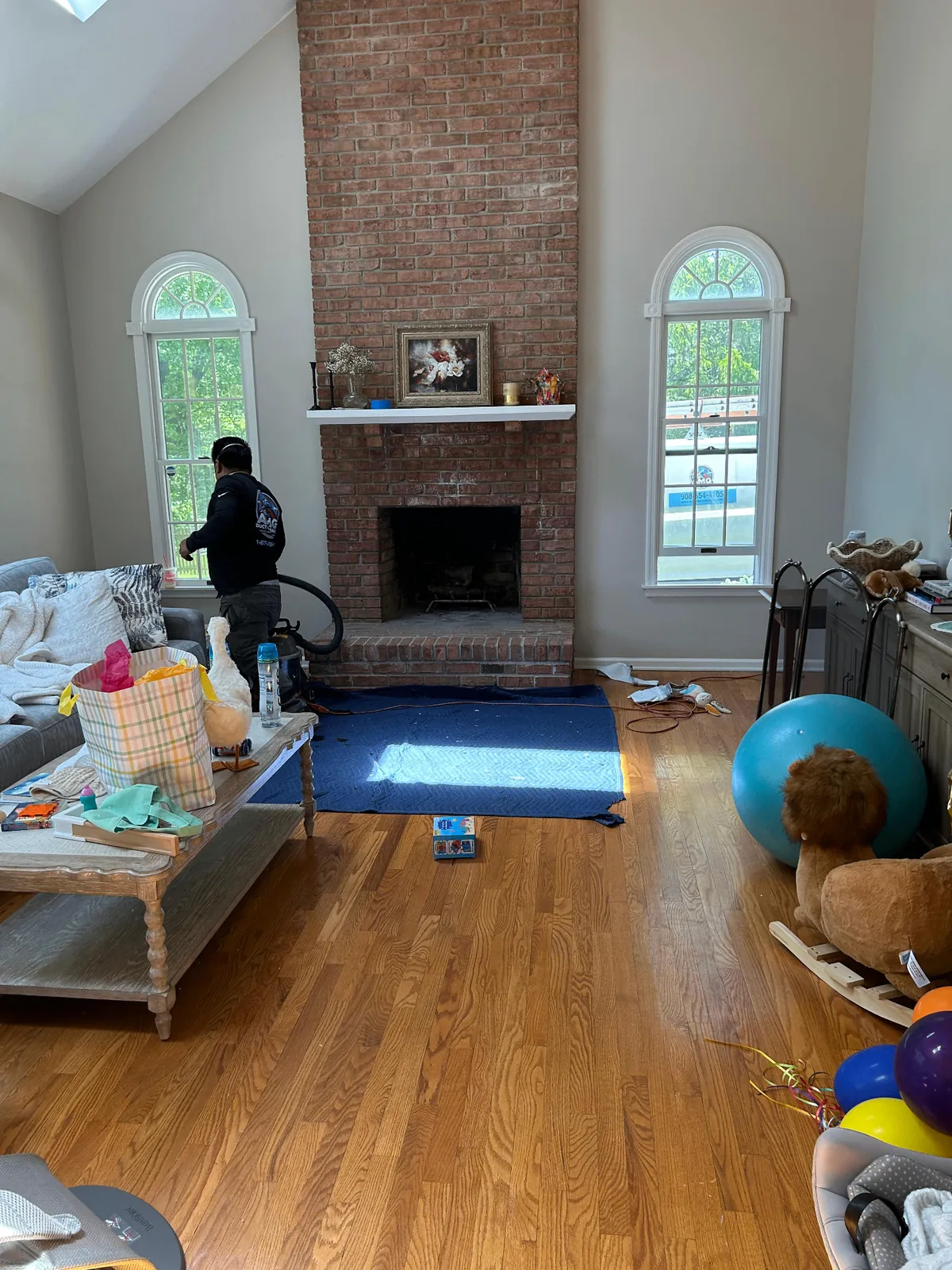
A visit starts at the roofline with the crown, the cap, and the chase cover or crown flashing, then moves to a camera run down the flue from the top or from the firebox below, checking liner condition the length of the flue. Any appliance sharing that flue gets noted, along with its age and whether it still matches what the flue was sized to carry. Photographs and an itemized list of findings, along with a written estimate covering whichever combination of Chimney Cleaning and Chimney Repair the findings call for, give a buyer in Bridgewater or Watchung something specific to bring back to the negotiating table before the deal closes.